

Why Organic Cotton is Best for Baby’s Sensitive Skin
Choosing the right fabric for your baby’s clothes is crucial. Babies have delicate skin that can easily get irritated. Organic cotton is a great option because it is gentle and free from harmful chemicals. This article will explain why organic cotton is the best choice for your baby’s sensitive skin.
Key Takeaways
- Organic cotton is hypoallergenic, making it less likely to cause skin irritation or allergic reactions in babies.
- It is grown and processed without harmful chemicals, ensuring that your baby’s skin is safe from toxic residues.
- The softness and breathability of organic cotton make it comfortable for babies, helping to keep their skin cool and dry.
- Choosing organic cotton supports sustainable farming practices, which are better for the environment.
- Organic cotton is durable and long-lasting, providing good value for money while protecting your baby’s skin.
Understanding Baby's Sensitive Skin
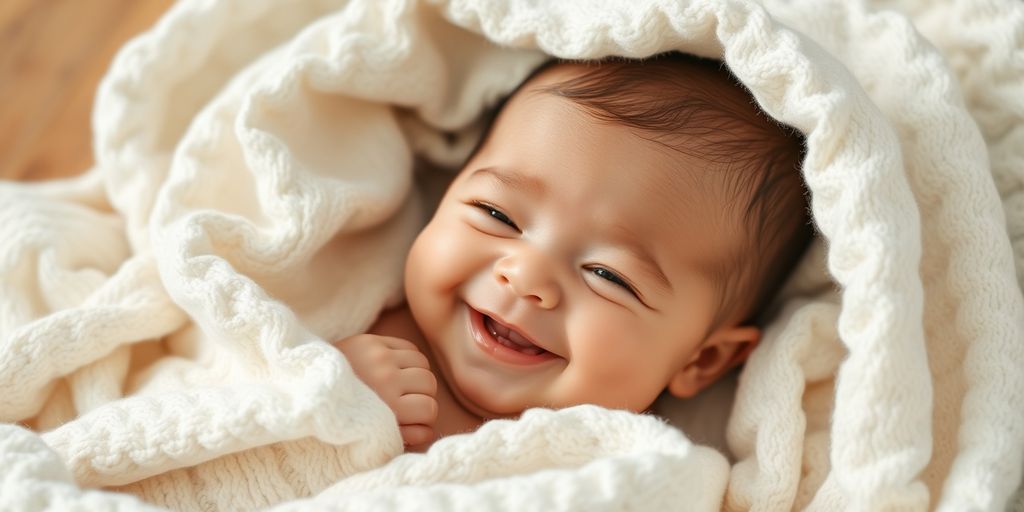
Why Baby Skin is Delicate
Baby skin is incredibly delicate and not fully developed. Newborns have up to five times thinner skin than adults, making them more prone to irritation and allergies. This thin skin lacks the robust barrier that protects older children and adults from irritants. As a result, babies are more susceptible to skin conditions like eczema, rashes, and contact dermatitis.
Common Skin Issues in Babies
Babies often face several skin issues due to their sensitive skin. Some common problems include:
- Eczema: Up to 20% of infants suffer from this condition, which can be worsened by environmental factors.
- Rashes: These can be caused by various irritants, including fabrics and detergents.
- Contact Dermatitis: This occurs when the skin reacts excessively to certain elements, leading to redness and discomfort.
How Fabrics Affect Baby Skin
The type of fabric that comes into contact with a baby’s skin can significantly impact their comfort and health. Fabrics that are breathable and free from harsh chemicals are ideal. For instance, organic cotton is a great choice because it is grown and processed without any harmful chemicals, reducing the risk of exposure to residual chemicals that might cling to the fabric’s fibers. This makes it a safer option for babies with sensitive skin.
The Benefits of Organic Cotton for Babies
Hypoallergenic Properties
Organic cotton is hypoallergenic, meaning it is less likely to cause allergic reactions or irritation. This is crucial for babies who have sensitive skin or are prone to allergies. The absence of chemical residues in organic cotton ensures that your baby’s skin remains safe and comfortable.
Chemical-Free Assurance
One of the standout benefits of organic cotton is that it is grown and processed without synthetic pesticides, fertilizers, or GMOs. This means there are no harmful chemical residues that could potentially irritate your baby’s skin. Choosing organic cotton is a step towards a healthier environment for your baby.
Softness and Comfort
Organic cotton is known for its exceptional softness and gentleness, making it an ideal choice for your baby’s delicate skin. The natural fibers in organic cotton provide a comfortable and breathable fabric that helps keep your baby cool and cozy.
Organic cotton is a smart choice for parents who want to prioritize their baby’s skin health and comfort. By opting for organic cotton, you can ensure that your baby enjoys the best possible care for their sensitive skin.
Comparing Organic Cotton to Conventional Cotton
Chemical Residues in Conventional Cotton
Conventional cotton often contains chemical residues from pesticides and fertilizers used during farming. These chemicals can linger in the fabric, potentially causing skin irritation. Organic cotton, on the other hand, is grown without these harmful substances, making it a safer choice for babies’ sensitive skin.
Environmental Impact
Organic cotton farming is better for the environment. It uses natural methods like crop rotation and composting, which help maintain soil health and reduce water usage. Conventional cotton farming relies heavily on synthetic chemicals, which can harm the environment and deplete natural resources.
Long-Term Health Benefits
Choosing organic cotton can have long-term health benefits. Since it is free from toxic chemicals, it reduces the risk of skin allergies and other health issues. Organic cotton farming also supports sustainable practices, contributing to a healthier planet for future generations.
Organic cotton farming leads to healthier crops and a more sustainable environment.
How to Choose the Best Organic Cotton Products
Certifications to Look For
When shopping for organic cotton products, look for certifications like the Global Organic Textile Standard (GOTS). This certification ensures that the product is made from at least 70% organic fibers and produced in a socially and environmentally responsible manner. Always check for the GOTS logo on the product label or packaging.
Types of Organic Cotton Products
Organic cotton is used in a variety of baby products, including:
- Clothing
- Bedding
- Towels
- Washcloths
- Burp cloths
Shopping Tips for Parents
- Do your research: Be wary of greenwashing. Some companies may falsely claim their products are organic. Look for third-party certifications like GOTS.
- Consider the product’s lifecycle: Think about how the raw materials were sourced, how the product was made, and how it will be disposed of.
- Check for quality: Organic cotton products are often more durable and longer-lasting, which can offset the initial cost difference.
Choosing organic cotton products for your baby is a worthwhile investment for both your baby’s health and the environment.
Real-Life Experiences with Organic Cotton Baby Products

Parent Testimonials
Parents who have switched to organic cotton for their babies often share heartwarming stories about the positive changes they’ve noticed. Many report fewer skin irritations and rashes, attributing this to the gentle nature of organic cotton. One mom mentioned, "Since we started using organic cotton clothes, my baby’s skin has been so much smoother and less red." These testimonials highlight the real-world benefits of choosing organic cotton for your little one.
Expert Opinions
Experts in pediatric dermatology and environmental health also advocate for the use of organic cotton. They emphasize that organic cotton is free from harmful chemicals and pesticides, making it a safer choice for babies’ sensitive skin. Dr. Jane Smith, a pediatric dermatologist, states, "Organic cotton reduces the risk of allergic reactions and skin irritations in infants." This professional endorsement adds weight to the growing preference for organic cotton among parents.
Case Studies
Several case studies have been conducted to compare the effects of organic cotton and conventional cotton on baby skin. These studies often find that babies wearing organic cotton experience fewer skin problems. For instance, a study involving 50 infants showed that those dressed in organic cotton had 30% fewer instances of skin irritation compared to those in conventional cotton. Such findings provide scientific backing to the anecdotal evidence from parents and experts.
Maintaining Organic Cotton Baby Clothes
Washing and Care Tips
To keep your baby’s organic cotton clothes in top shape, follow these simple tips:
- Read the care label: Always check the label for specific washing and drying instructions.
- Use mild detergent: Avoid harsh detergents or bleach, which can strip the natural oils from the cotton fibers.
- Protect during wash: Place clothes in a laundry bag to prevent snags or tangles.
- Avoid overloading: Don’t overload the washing machine to reduce friction and wear on the fabric.
- Air drying: Air drying is one of the best methods, as it helps maintain the fabric’s integrity and prevents shrinkage. Hang the clothes on a drying rack or a clothesline in a shaded area.
Longevity and Durability
Organic cotton is known for its durability, but proper care can extend its life even further:
- Store in a cool, dry place to prevent mildew.
- Fold or hang clothes to avoid creases and wrinkles.
- Use natural fabric fresheners to keep clothes smelling fresh between washes.
Eco-Friendly Laundry Practices
Caring for organic cotton can also be eco-friendly:
- Wash with cold water to save energy.
- Use eco-friendly detergents that are gentle on the environment.
- Opt for air drying instead of using a dryer to reduce energy consumption.
Proper care of organic cotton baby clothes not only keeps them looking good but also ensures they last longer, making them a smart and sustainable choice for your baby’s wardrobe.
The Environmental Impact of Organic Cotton
Sustainable Farming Practices
Organic cotton farming uses natural methods like crop rotation and composting instead of harmful chemicals. This approach not only keeps the soil healthy but also promotes biodiversity. Organic cotton farming leads to healthier crops and a more balanced ecosystem.
Reducing Carbon Footprint
Organic cotton cultivation produces fewer greenhouse gas emissions compared to conventional methods. This means a lower carbon footprint, which is crucial for fighting climate change. By choosing organic cotton, you are supporting practices that help reduce the overall environmental impact.
Supporting Ethical Brands
When you buy organic cotton products, you are often supporting brands that prioritize ethical practices. These brands focus on fair labor, safe working conditions, and sustainable packaging. This not only benefits the environment but also the people involved in the production process.
Making the switch to organic cotton can help protect your baby’s health and the environment. Organic cotton farming methods are more sustainable and environmentally friendly than conventional cotton farming, as they rely on natural methods such as crop rotation and composting rather than chemical pesticides and fertilizers.
Organic cotton is better for the planet. It uses less water and no harmful chemicals. This means cleaner soil and water. Plus, it’s safer for farmers. Want to learn more about eco-friendly fashion? Visit our website for more info!
Conclusion
In the end, choosing organic cotton for your baby’s clothes and bedding is a smart move. It’s gentle on their sensitive skin, free from harmful chemicals, and helps keep them comfortable. While it might cost a bit more, the benefits for your baby’s health and the environment make it worth it. Organic cotton is soft, breathable, and reduces the risk of skin problems like eczema. By picking organic, you’re not just caring for your baby but also supporting a healthier planet. So, for the sake of your little one’s skin and the world they will grow up in, organic cotton is the way to go.
Frequently Asked Questions
What is organic cotton?
Organic cotton is cotton grown without synthetic pesticides, fertilizers, or GMOs. It’s considered more eco-friendly and safer for sensitive skin.
Why is organic cotton better for babies' skin?
Organic cotton is free from harsh chemicals, making it hypoallergenic and gentle on delicate baby skin. It helps reduce the risk of irritation and allergies.
How does conventional cotton affect babies' skin?
Conventional cotton often contains chemical residues from pesticides and fertilizers, which can irritate sensitive skin and cause allergic reactions.
What certifications should I look for when buying organic cotton products?
Look for certifications like GOTS (Global Organic Textile Standard) to ensure the product meets strict organic and ethical standards.
Are organic cotton products more expensive?
Yes, they can be pricier, but the benefits to your baby’s health and the environment often outweigh the extra cost.
How do I care for organic cotton baby clothes?
Wash them in cold water with a gentle detergent. Avoid using bleach or fabric softeners to maintain the fabric’s natural softness and durability.