
How to Layer Baby Clothes for Winter
Winter can be a tricky season for parents, especially when it comes to dressing their babies. Layering is essential to keep your little one warm and comfortable. The key is to add or remove layers based on the weather and your baby’s needs. In this guide, we’ll walk you through the best ways to layer baby clothes for winter, ensuring your baby stays cozy and safe.
Key Takeaways
- Babies generally need one more layer of clothing than adults to stay warm in winter.
- Start with a snug base layer like an organic cotton growsuit or a wool bodysuit to keep your baby warm.
- Add mid layers such as jumpers, cardigans, or fleece pajamas for extra insulation.
- Choose an easy-to-remove top layer like a coat or jacket to adjust your baby’s temperature quickly.
- Don’t forget essential winter accessories like mittens, booties, and beanies to keep extremities warm.
Choosing the Right Base Layer
When venturing outdoors, dress your baby in layers, including a warm base layer, insulating mid-layer, and a waterproof outer layer if it’s wet or windy. The base layer is the first and most important layer, as it sits directly against your baby’s delicate skin. It helps to wick moisture away and keep your baby warm.
Adding Mid Layers for Extra Warmth

When it comes to keeping your baby warm during winter, mid layers are essential. These layers provide the necessary insulation to maintain your baby’s body heat, especially since babies can’t regulate their temperature as well as adults.
Jumpers and Cardigans
Jumpers and cardigans are excellent choices for mid layers. They can be easily added or removed, allowing you to adjust your baby’s temperature as needed. Opt for materials like wool or fleece for added warmth.
Fleece Pajamas
Fleece pajamas are a versatile option for mid layers. They are not only warm but also easy to find at thrift stores. Fleece is easy to wash and wears well, making it a practical choice for everyday use.
Layering with Bodysuits and Rompers
Bodysuits and rompers can also serve as effective mid layers. They are snug and provide an extra layer of warmth without being too bulky. You can pair them with other mid layers like jumpers or cardigans for added insulation.
Remember, the key to effective layering is flexibility. You can always add or remove layers to keep your baby comfortable.
By incorporating these mid layers, you’ll ensure your baby stays cozy and warm, even in the coldest weather.
Selecting the Perfect Top Layer

Coats and Jackets
When it comes to the top layer, coats and jackets are essential. They provide the final barrier against the cold, wind, and snow. Look for options that are both warm and easy to put on and take off. A good coat or jacket should be insulated and ideally waterproof to keep your baby dry and cozy.
Knitwear Options
Knitwear is another excellent choice for the top layer. Sweaters and cardigans made from wool or other warm materials can add an extra layer of insulation. Knitwear is also flexible and comfortable, making it easy for your baby to move around.
Importance of Easy-to-Remove Layers
One of the key aspects of layering is the ability to easily add or remove layers. Babies can quickly become too hot or too cold, so having a top layer that can be easily removed is crucial. This is especially important when moving between indoor and outdoor environments. Look for coats and jackets with zippers or buttons that make them simple to take off when needed.
Remember, wool is an excellent choice for you and your baby because it absorbs moisture without feeling damp, keeping you dry and warm.
Essential Winter Accessories
Mittens and Booties
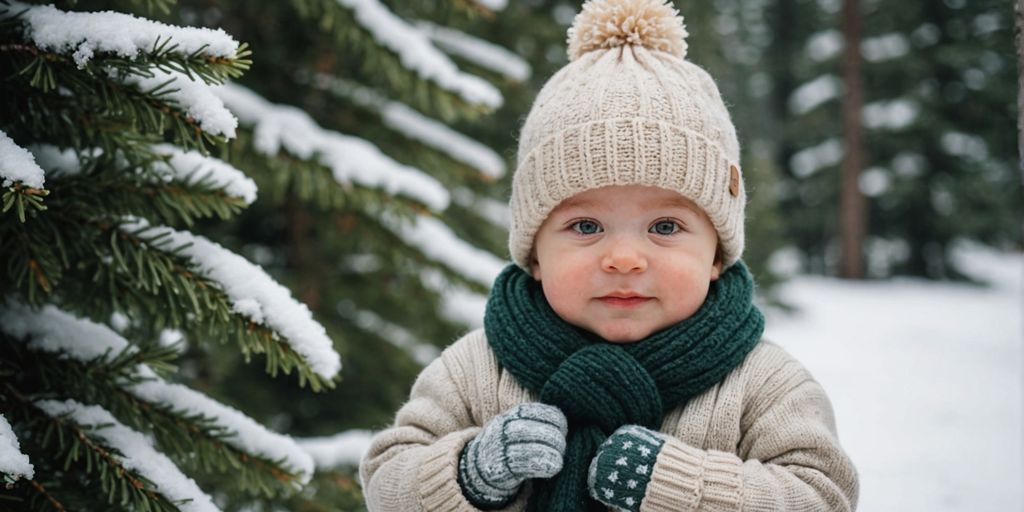
Keeping your baby’s hands and feet warm is crucial during winter. Mittens are essential to protect tiny fingers from the cold. Look for waterproof options to keep their hands dry. Booties or warm socks are also a must-have to ensure their feet stay cozy. For babies who are starting to walk, consider winter booties that provide both warmth and support.
Beanies and Hats
A significant amount of body heat is lost through the head, making beanies and hats vital for winter outings. Choose hats that cover the ears and have a snug fit. Some hats come with chin straps to ensure they stay in place, which is especially useful for active babies.
Scarves and Neck Warmers
While scarves can be hazardous due to the risk of choking, neck warmers are a safer alternative. They provide the same level of warmth without the danger. Opt for neck warmers made from soft, non-irritating materials to keep your baby comfortable.
Remember, the right accessories can make a big difference in keeping your baby warm and comfortable during winter outings.
Dressing Your Baby for Outdoor Adventures
Taking your baby outside during winter can be a fun adventure if you dress them properly. Layers are key to keeping your little one warm and comfortable. Here’s how to do it right.
Layering for Stroller Rides
When preparing for a stroller ride, start with a good base layer. A wool bodysuit works well because it keeps warmth in and wicks moisture away. Add a mid-layer like a fleece suit for extra insulation. Finally, use a weatherproof top layer to protect against wind and snow. A stroller cover can also help trap heat effectively.
Choosing the Right Snowsuit
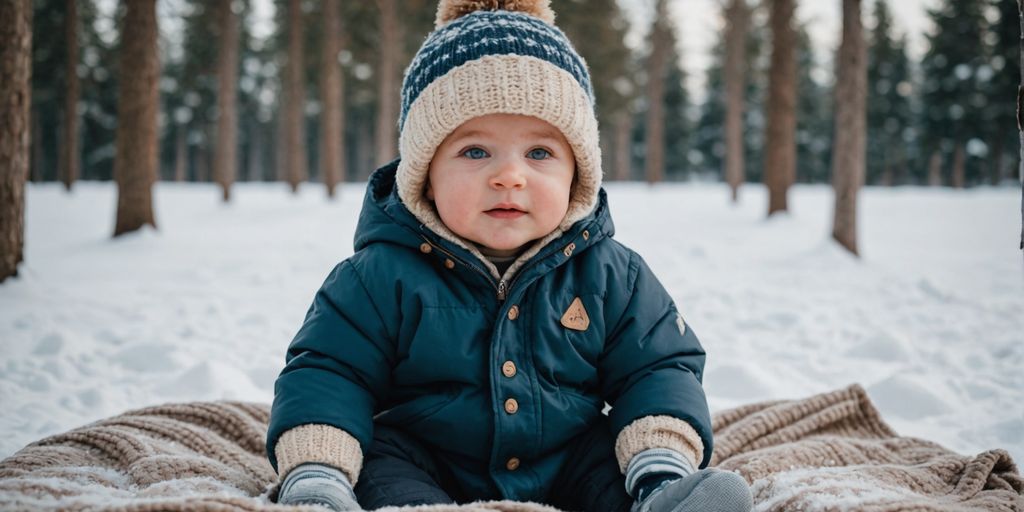
A snowsuit is essential for very cold days. Look for one that is waterproof and has fold-over cuffs to keep the heat in. Make sure it fits well but isn’t too bulky, so your baby can move comfortably. Avoiding bulky layers in car seats is crucial for safety.
Using Stroller Covers Effectively
A stroller cover can be a lifesaver in winter. It helps keep the cold wind out and traps heat inside, making your baby feel cozy. Choose a cover that is easy to put on and take off, so you can adjust it as needed. Always check your baby’s temperature to ensure they are not overheating.
Remember, dressing your baby in layers, especially well-chosen layers that wick moisture, dry quickly, and retain heat, will prepare you for any type of weather you might encounter year-round.
By following these tips, you can ensure your baby stays warm and enjoys the outdoor adventures with you.
Monitoring and Adjusting Layers
Checking Your Baby's Temperature
To ensure your baby is comfortable, regularly check their temperature. The easiest way is to use a thermometer under their armpit or tongue. Alternatively, place the back of your hand on their chest or tummy. If they feel hot, remove a layer and check again after a few minutes.
Signs of Overheating
Watch for signs that your baby might be too warm. These include sweating, flushed cheeks, and a rapid heartbeat. If you notice any of these, it’s time to remove a layer or two.
Adjusting Layers Based on Activity
Babies need different layers depending on their activity. For example, if they are sleeping, they might need more layers than when they are awake and moving. Always dress them in one more layer than you would wear to stay comfortable. This way, you can easily add or remove layers as needed to keep them cozy.
Layering allows for minute adjustments by adding or removing them based on your child’s temperature.
Safety Tips for Winter Layering
Avoiding Bulky Layers in Car Seats
When dressing your baby for a car ride, avoid using bulky layers. Thick clothing can interfere with the car seat harness, making it less effective in a crash. Instead, dress your baby in thin, snug layers and cover them with a blanket after securing the harness.
Ensuring Proper Fit of Accessories
Make sure that all winter accessories, like mittens and booties, fit properly. Ill-fitting accessories can slip off or restrict movement, causing discomfort. Check that mittens and booties are snug but not too tight, allowing for some wiggle room.
Regularly Checking for Comfort
It’s important to regularly check your baby’s comfort. Babies sleep well when they’re not too hot or cold. Feel their neck or back to gauge their temperature. If they seem too warm, remove a layer. If they feel cool, add a layer. This helps in maintaining the right balance and ensures your baby stays comfortable throughout the day.
Remember, layering your baby properly for winter is key to keeping them safe and comfortable. Always monitor their temperature and adjust layers as needed.
Winter is here, and it’s time to layer up to stay warm and cozy. Start with a base layer to keep sweat away, add a middle layer for insulation, and finish with a waterproof outer layer. Don’t forget to accessorize with hats, gloves, and scarves. For more tips and the latest in kids’ winter fashion, visit our website.
Conclusion
Layering your baby’s clothes for winter doesn’t have to be complicated. By following the simple rule of adding one more layer than you would wear, you can keep your little one warm and cozy. Remember to use light, breathable fabrics and adjust the layers based on the temperature and your baby’s comfort. With a bit of practice, you’ll quickly find the right balance to ensure your baby stays comfortable and happy, whether you’re indoors or out in the cold. Stay attentive to their needs, and don’t hesitate to add or remove layers as necessary. Happy layering!
Frequently Asked Questions
How many layers should my baby wear in winter?
A good rule of thumb is that babies should wear one more layer than adults. For example, if you’re comfortable in a t-shirt, sweater, and coat, your baby might need a onesie, a sweater, a coat, plus mittens and a hat.
Can I use cotton as a base layer for my baby?
It’s better to avoid cotton for the base layer because it retains moisture. Instead, opt for materials like wool or synthetic fabrics that wick away moisture and keep your baby dry and warm.
How do I know if my baby is too hot or too cold?
Check your baby’s temperature by feeling their chest or back. If they feel hot or are sweating, remove a layer. If they feel cool, add another layer. Regularly monitor their temperature to ensure they are comfortable.
What should my baby wear for outdoor activities in winter?
For outdoor adventures, start with a thermal base layer, add mid layers like a fleece, and finish with a waterproof top layer like a snowsuit. Don’t forget accessories like hats, mittens, and warm booties.
Is it safe to use bulky layers in car seats?
No, bulky layers can interfere with the car seat straps, making them less effective. Instead, use thin, warm layers and cover your baby with a blanket after they are strapped in securely.
Why are hats and mittens important for babies in winter?
Babies lose a lot of heat through their heads and extremities. Hats and mittens help to keep them warm by trapping heat and preventing it from escaping.