
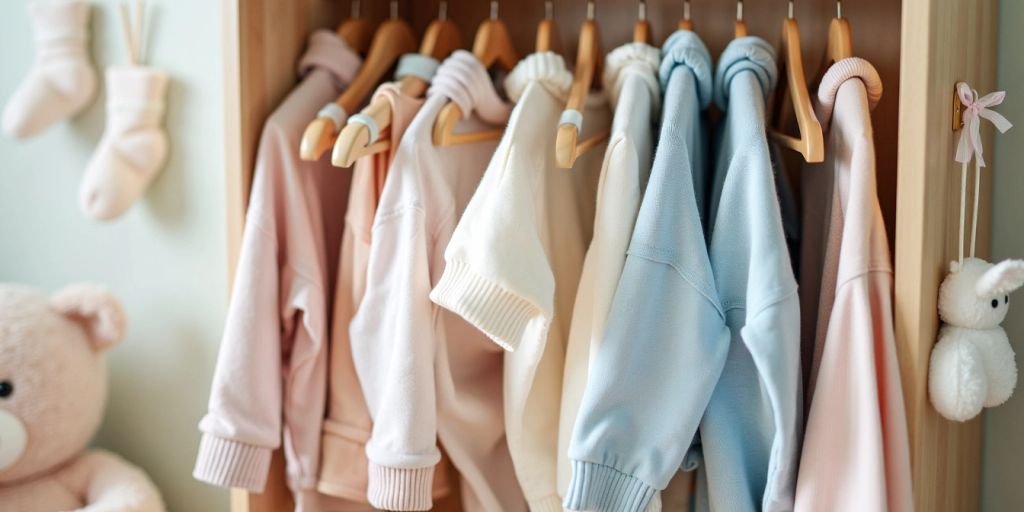
How to Care for Baby Clothes to Make Them Last Longer
Keeping baby clothes in good shape for a long time can be tricky, but it’s not impossible. With a few simple steps, you can make sure that your baby’s clothes stay soft, clean, and ready to be handed down to the next little one. Follow these tips to keep those tiny outfits looking fresh and new.
Key Takeaways
- Use cold water detergent to prevent fabric wear and tear.
- Always wash baby clothes on a gentle cycle to protect delicate fabrics.
- A mesh laundry bag can help keep small items from getting lost or damaged.
- Choose a baby-safe detergent to avoid skin irritation.
- Air drying clothes can help them last longer and avoid shrinkage.
1. Cold Water Detergent
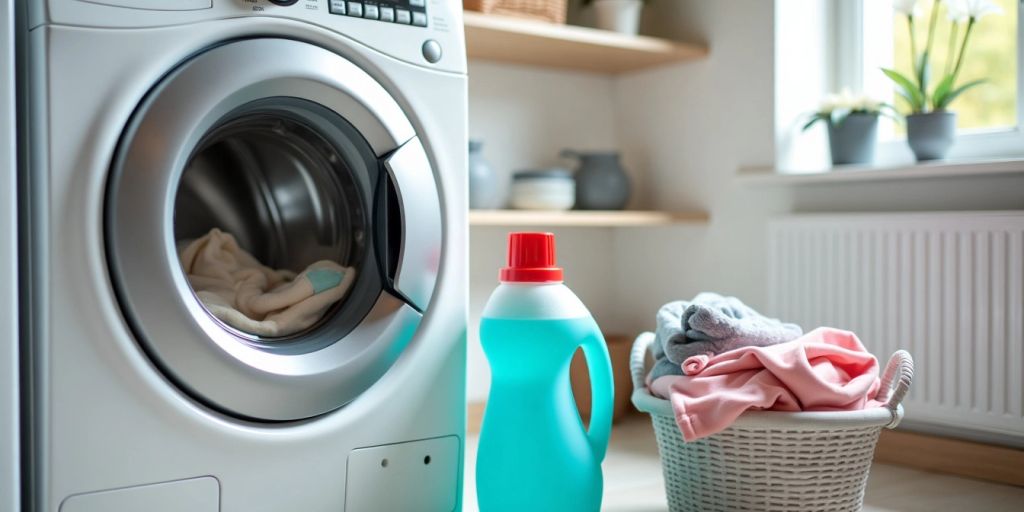
Washing baby clothes in cold water is a great way to keep them looking new for longer. Hot water can be harsh on fabrics, causing them to wear out quickly. Cold water, on the other hand, is gentle and helps maintain the colors and fibers of the clothes.
Here are some tips for using cold water detergent effectively:
- Always use a liquid detergent, as powdered detergents can leave residue behind.
- Turn clothes inside out before washing to protect any embroidery or screen printing.
- Use less detergent than you think you need to avoid residue that can irritate your baby’s skin.
Cold water is not only gentle on fabrics but also energy-efficient, making it a win-win for both your baby’s clothes and the environment.
2. Gentle Cycle
Using the gentle cycle on your washing machine is crucial for maintaining the quality of your baby’s clothes. This setting uses slower spin speeds and less agitation, which helps to protect delicate fabrics from wear and tear.
Benefits of Using the Gentle Cycle
- Reduces Fabric Damage: The gentle cycle minimizes the friction and stretching that can occur during washing, keeping clothes in better condition for longer.
- Preserves Color and Texture: Less agitation means that colors are less likely to fade and fabrics are less likely to pill or lose their softness.
- Ideal for Delicate Items: This setting is perfect for washing delicate baby clothes, such as those made from organic cotton, which is known for being gentle on sensitive skin.
How to Use the Gentle Cycle Effectively
- Sort Clothes by Fabric Type: Separate delicate items from heavier ones to ensure they receive the appropriate care.
- Use a Baby-Safe Detergent: Opt for a detergent that is free from harsh chemicals and fragrances to avoid irritating your baby’s skin.
- Avoid Overloading the Machine: Overloading can cause clothes to rub against each other more, leading to damage. Make sure to leave enough space for the clothes to move freely.
- Add a Mesh Laundry Bag: For extra protection, place small or delicate items in a mesh laundry bag before washing.
Using the gentle cycle not only helps in maintaining the quality of baby clothes but also supports sustainability by extending their lifespan. This is especially important for items made from organic cotton, which are both eco-friendly and gentle on your baby’s skin.
3. Mesh Laundry Bag
Using a mesh laundry bag can be a game-changer for washing baby clothes. These bags are especially useful for keeping track of small items like baby socks and headbands. No more searching for the matching socks once the laundry is dry! Simply place all the tiny items in the bag, zip it up, and toss it into the washer and dryer with the rest of the laundry.
Mesh laundry bags also help protect delicate fabrics from getting snagged or damaged during the wash cycle. This is particularly important for baby clothes, which are often made from softer, more delicate materials. By using a mesh bag, you can extend the life of these garments and keep them looking new longer.
Designate one bag for baby’s socks and other tiny baby items like headbands. Once the bag is full of dirty socks (or when you run out of clean socks), simply put the entire bag into the washer and dryer with the rest of the laundry.
In addition to protecting delicate items, mesh laundry bags can also help you stay organized. You can have separate bags for different types of clothing or for each family member, making sorting and folding much easier after the laundry is done.
4. Baby-Safe Detergent
Choosing the right detergent for your baby’s clothes is crucial. Babies have delicate and sensitive skin, so it’s important to use a detergent that won’t cause irritation. Opt for a hypoallergenic detergent that is free from harsh chemicals, dyes, and fragrances.
Here are some tips for selecting a baby-safe detergent:
- Look for labels that say "baby-safe" or "hypoallergenic."
- Choose unscented options to avoid any potential skin reactions.
- Consider natural or organic detergents that are gentle on the skin.
- Avoid fabric softeners, as they can contain irritants.
Using a baby-safe detergent helps protect your baby’s sensitive skin and keeps their clothes clean and fresh. This is especially important for newborns, whose skin is more prone to allergies and eczema.
5. White Vinegar
White vinegar is a versatile and natural solution for caring for baby clothes. It can be used as a fabric softener and also helps in removing stubborn stains and odors.
Using White Vinegar as a Fabric Softener
Instead of using commercial fabric softeners, which often contain dyes and fragrances that can irritate your baby’s skin, you can add ½ cup of white vinegar to the rinse cycle. This will naturally soften the clothes without any harsh chemicals.
Removing Stains with White Vinegar
For urine stains, hand wash the clothes in cold water using one cup of distilled white vinegar. The vinegar will break down the uric acid in the urine, eliminating lingering smells. After this initial wash, you can wash the clothes with regular detergent at the hottest temperature safe for the fabric.
Benefits of White Vinegar
- Natural and safe: No harsh chemicals that can irritate sensitive skin.
- Effective odor removal: Breaks down uric acid in urine stains.
- Cost-effective: A budget-friendly alternative to commercial products.
Using white vinegar in your laundry routine can help keep your baby’s clothes soft, clean, and free from irritating chemicals.
6. Stain Remover
Stains are inevitable when it comes to baby clothes, but the right stain remover can make a big difference. Using a good stain remover can save your baby’s clothes from permanent damage. Here are some tips to help you tackle those tough stains effectively:
- Pre-Treat Immediately: As soon as you notice a stain, rinse the item under cold water. This helps to prevent the stain from setting.
- Use a Stain Remover Spray: Products like Miss Mouth’s Messy Eater Stain Treater Spray are powerful and fast-working. They are perfect for clothes, toys, and even carpets.
- Soak for Tough Stains: For stubborn stains, soak the garment in a mixture of water and baby-safe detergent for about 30 minutes before washing.
- Check Before Drying: Always check if the stain is completely gone before drying the clothes. Drying can set the stain, making it harder to remove.
Remember, quick action and the right products can keep your baby’s clothes looking new for longer.
7. Hand Wash
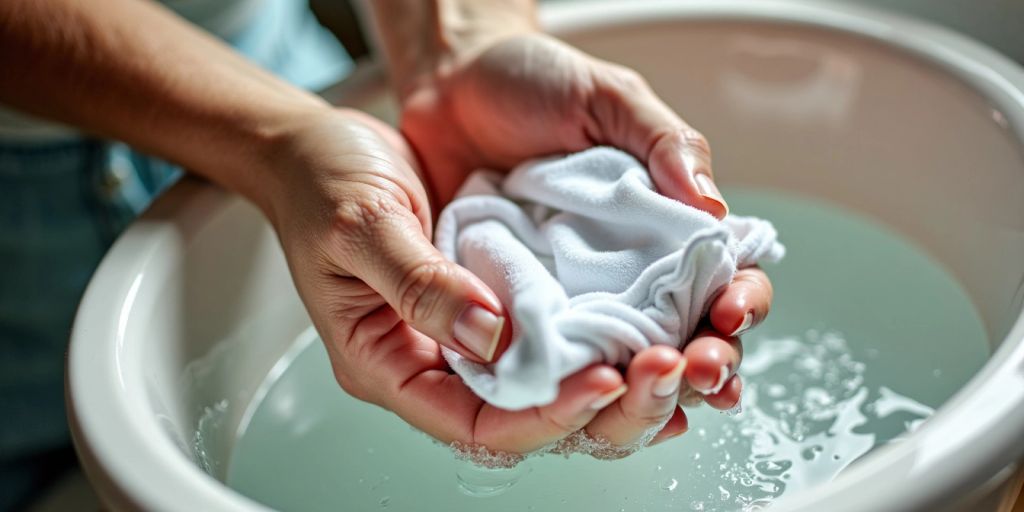
Hand washing baby clothes is a gentle way to keep them clean and in good condition. It’s especially useful for delicate items that might get damaged in a washing machine.
Steps to Hand Wash Baby Clothes
- Fill a tub with lukewarm water.
- Add a baby-friendly detergent to the water.
- Pre-treat any stains by soaking the clothes for about 30 minutes.
- Gently rub the fabric together to clean it.
- Rinse the clothes thoroughly with clean water to remove all soap.
- Squeeze out excess water without wringing the fabric.
- Lay the clothes flat to dry or hang them up.
Hand washing is a great way to ensure that your baby’s clothes stay in good shape for longer. It also helps to avoid any potential damage from machine washing.
8. Air Dry
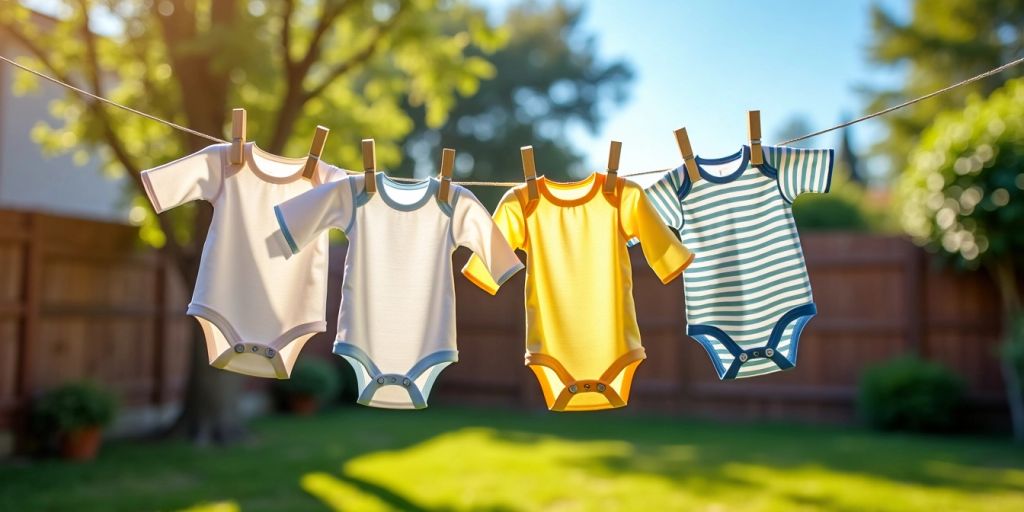
Air drying baby clothes is a gentle and effective way to extend their lifespan. Using a dryer can cause shrinkage and wear out fabrics faster. Instead, consider these tips for air drying:
- Hang clothes in a well-ventilated area: This helps them dry faster and prevents musty smells.
- Use a drying rack: A drying rack can be set up indoors or outdoors, providing a dedicated space for air drying.
- Avoid direct sunlight: The sun’s ultraviolet rays can break down fabric fibers, causing clothes to fade and wear out more quickly. Drying in the shade is a better option.
Air drying not only saves energy but also helps maintain the quality of your baby’s clothes, making them last longer.
9. Shade Drying
Allowing baby clothes to air dry can help them last longer. However, drying them in direct sunlight can have the opposite effect. The sun’s ultraviolet rays can break down the chemical bonds in fabrics, causing them to fade and wear out faster. To avoid this, hang baby clothes in the shade. This will help keep the colors vibrant and the fabric strong.
Additionally, store baby clothes away from windows to prevent any indirect sunlight from causing damage. This simple step can make a big difference in maintaining the quality of your baby’s wardrobe.
10. Pre-Wash
Before your baby arrives, it’s a good idea to wash all their clothes. New clothes can have dust, germs, or chemicals from the store. Washing them first helps keep your baby safe.
Steps to Pre-Wash Baby Clothes
- Sort the Clothes: Separate baby clothes from other laundry. This helps avoid any harsh chemicals or dirt from other clothes mixing in.
- Choose a Baby-Safe Detergent: Use a detergent made for babies. Regular detergents can be too harsh for their sensitive skin.
- Set the Washer: Use cold water and a gentle cycle. This helps protect the fabric and keeps the clothes looking new.
- Double Rinse: Rinse the clothes twice to make sure all the detergent is gone. Leftover soap can irritate your baby’s skin.
Pre-washing baby clothes is a simple step that can make a big difference in keeping your baby safe and comfortable.
Before you start washing, it’s important to pre-wash your clothes. This step helps remove any loose dirt and makes the main wash more effective. Want to learn more tips and tricks for taking care of your clothes? Visit our website for more information!
Conclusion
Taking care of baby clothes might seem like a small task, but it can make a big difference. By following some simple steps, you can keep your baby’s clothes looking new and lasting longer. Always wash new clothes before your baby wears them, use gentle detergents, and avoid over-washing. Air drying clothes in the shade can prevent fading, and using mesh laundry bags can protect delicate items. Remember, taking good care of baby clothes not only saves money but also helps the environment. With these tips, you can ensure your baby’s clothes stay soft, clean, and ready to be handed down to the next little one.
Frequently Asked Questions
Why should I use cold water detergent for baby clothes?
Cold water detergent helps to preserve the fibers in baby clothes, making them last longer. It’s also energy-efficient and just as effective in cleaning as warm or hot water.
How does using a gentle cycle benefit baby clothes?
A gentle cycle reduces wear and tear on baby clothes by using slower spin speeds and less agitation, which helps to keep the fabric in good condition.
What is the purpose of a mesh laundry bag?
A mesh laundry bag protects delicate baby clothes from getting tangled or damaged in the wash. It also keeps small items like socks from getting lost.
Why is baby-safe detergent important?
Baby-safe detergent is free from harsh chemicals and fragrances that can irritate a baby’s sensitive skin. It ensures that the clothes are clean and safe for your baby to wear.
How can white vinegar be used in washing baby clothes?
White vinegar can be used as a natural fabric softener and helps to remove soap residue from baby clothes. It’s gentle on the fabric and safe for your baby’s skin.
What should I do if there are stains on baby clothes?
Pre-treat stains as soon as possible with a baby-safe stain remover. For tough stains, you may need to soak the clothes before washing them. Avoid using heat to dry stained clothes, as it can set the stain.