
How to Choose the Right Size for Your Baby’s Clothes
Choosing the right size for your baby’s clothes can be tricky, especially with so many brands and sizing systems out there. It’s important to understand how sizes work, take accurate measurements, and consider various factors like growth spurts and diaper space. This guide will help you navigate the world of baby clothing sizes and ensure your little one stays comfortable and stylish.
Key Takeaways
- Always check the brand’s size chart before buying, as sizes can vary between brands.
- Take your baby’s measurements regularly to ensure a good fit, especially during growth spurts.
- Consider the type of fabric and how it might shrink after washing.
- Allow extra room for diapers and ease of dressing when choosing sizes.
- Read customer reviews for insights on sizing and quality when shopping online.
Understanding Baby Clothes Size Labels
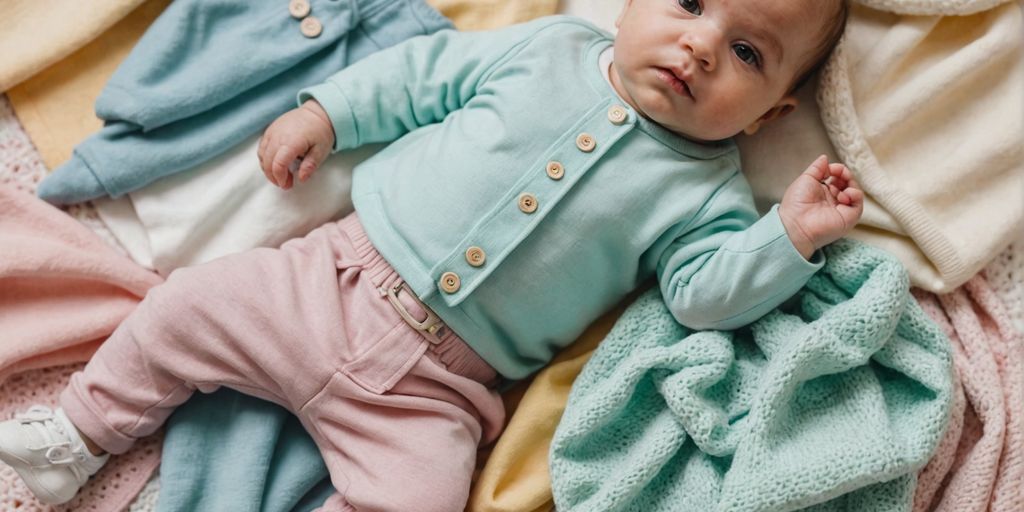
Choosing the right clothing size for your baby can be quite challenging, especially with the rapid pace at which they grow. Understanding baby clothing sizes is essential to ensure that your little one remains comfortable and can move freely. Many parents find themselves puzzled by the various size labels, such as newborn, 0-3 months, and 3-6 months. It’s important to know how to interpret these sizes and utilize size charts effectively.
Moreover, each brand may have slight variations in their sizing, making it crucial to check specific size guides. This knowledge can save you a lot of frustration and help you make better-informed decisions when shopping for baby clothes. An accurately fitting garment not only improves your baby’s comfort but also plays a role in their overall well-being and development. Understanding and interpreting these sizes paves the way for a happier, more comfortable baby.
Most baby clothes are labeled with age groups, such as newborn, 0-3 months, 3-6 months, and so on. These labels provide a general guideline based on average baby sizes within those age ranges. However, since all babies grow at different rates, these labels should be considered starting points rather than definitive sizes.
Baby clothes sizes are generally categorized by age, weight, and height. Size labels may vary between brands, so it’s essential to consult each brand’s size chart before making a purchase. Typically, you will encounter the following size labels:
| Size Label | Age Range | Weight Range | Height Range |
|---|---|---|---|
| Newborn (NB) | 0-1 months | Up to 9-10 lbs | 18-20 inches |
| 0-3 months | 0-3 months | 9-13 lbs | 21-24 inches |
| 3-6 months | 3-6 months | 13-17 lbs | 24-27 inches |
| 6-12 months | 6-12 months | 17-22 lbs | 27-30 inches |
Each brand may have slight variations in their sizing, making it crucial to check specific size guides. This knowledge can save you a lot of frustration and help you make better-informed decisions when shopping for baby clothes. An accurately fitting garment not only improves your baby’s comfort but also plays a role in their overall well-being and development. Understanding and interpreting these sizes paves the way for a happier, more comfortable baby.
Factors to Consider When Choosing the Right Size
Choosing the right size for your baby’s clothes involves several important factors. Ensuring a good fit is crucial for your baby’s comfort and happiness. Here are some key points to keep in mind:
Taking Accurate Measurements
Measure your baby’s weight, height, and chest width to get the most accurate fit. Babies grow quickly, so keep these measurements updated regularly.
Anticipating Growth Spurts
Babies often have growth spurts. It’s a good idea to size up when your baby is nearing one. This way, you won’t need to buy new clothes right after a growth spurt.
Allowing for Diaper Space
Make sure there’s enough room in the clothes to fit your baby’s diaper comfortably. Clothes that are too tight can be uncomfortable and restrict movement.
Ease of Dressing
Choose clothes that are easy to put on and take off. Look for features like snap buttons or stretchy necklines that make dressing your baby simpler.
Tips for Buying Baby Clothes Online
Shopping for baby clothes online can be convenient, but it comes with its own set of challenges. Here are some tips to help you make the best choices for your little one.
Choosing Quality Materials
When buying baby clothes online, always look for high-quality, natural materials like cotton. Cotton is both comfortable and durable, making it a great choice for your baby’s sensitive skin. Avoid synthetic fabrics that can cause irritation.
Reading Customer Reviews
Customer reviews can provide valuable insights into the sizing and quality of the clothes. Take the time to read through reviews to get a better idea of what to expect. This can help you avoid items that don’t match their descriptions.
Consulting Size Charts
Different brands have different sizing standards. Always consult the size chart provided by the brand to ensure you’re getting the right fit. Measure your baby and compare those measurements to the chart for the best results.
Keeping a Measurement Record
Keep a record of your baby’s measurements and the sizes you’ve previously purchased from different brands. This can be a useful reference for future purchases, helping you to make more informed decisions.
Shopping online for baby clothes can be tricky, but with these tips, you’ll be better prepared to find the perfect fit for your little one.
Maintaining Your Baby’s Wardrobe Adaptability
As your baby grows, their wardrobe needs to be flexible to keep up with their changing size and needs. Here are some tips to help you maintain your baby’s wardrobe adaptability:
Planning for Seasonal Changes
Dressing your baby according to the season is crucial for their comfort. In warmer months, opt for lightweight cotton garments that are breathable and gentle on the skin. For cooler months, layering becomes key. Start with a cotton onesie as a base layer, then add long-sleeved tops and trousers to keep your baby warm. Cotton layers can be easily added or removed as the temperature changes, providing flexibility and comfort throughout the day.
Opting for Versatile Pieces
Choose clothing items that can be mixed and matched easily. This includes neutral colors and timeless styles that never go out of fashion. Items like adjustable waistbands and multipacks of essential clothing can make it easier to size up as needed. A good supply of bibs can protect those adorable outfits from spills and stains, making them last longer.
Regularly Updating Sizes
Babies grow quickly, so it’s important to regularly update their wardrobe. Keep track of your baby’s growth and replace outgrown clothes promptly. This ensures that your baby is always comfortable and well-dressed. Consider donating or storing outgrown clothes for future use.
Keeping your baby’s wardrobe adaptable ensures they are always comfortable and stylish, no matter how fast they grow.
How to Measure Your Baby for Clothes
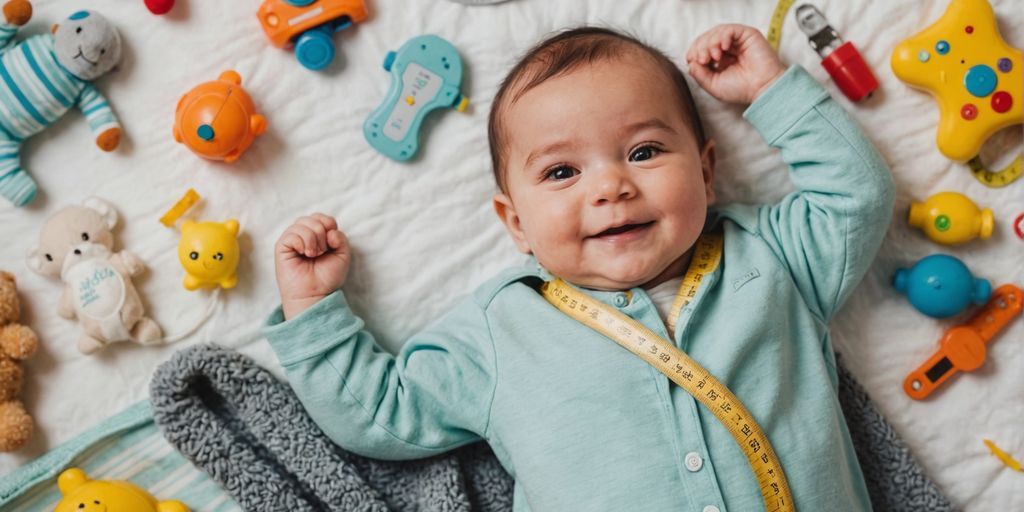
Measuring your baby for clothes can seem tricky, but with the right steps, you can get it right. Accurate measurements ensure a good fit and comfort for your baby. Here’s how to do it:
Essential Measurement Areas
To get the best fit, you need to measure these key areas:
- Height: Lay your baby flat and measure from the top of their head to the bottom of their heel.
- Weight: For the most precise weight assessment, use a baby scale.
- Chest Circumference: Place the tape measure under the baby’s arms at the widest part of the chest.
- Hip Circumference: Measure at the widest part of the hips while the baby is lying down.
- Inseam: Measure from the crotch to the bottom of the foot.
- Arm Length: Measure from the wrist to the shoulder of a straight arm.
Tools You’ll Need
Having the right tools makes the process easier:
- Soft measuring tape
- Baby scale
- A helper (optional but useful)
Tips for Accurate Measurements
- Use a flat surface: Lay your baby on a flat surface to get accurate measurements.
- Keep the baby still: It might help to have another person hold the baby still.
- Measure without a diaper: This gives the most accurate results.
- Record the measurements: Keep a record of your baby’s measurements to track growth.
Taking these measurements means that you’ll be able to find clothing to fit your child without any guesswork.
Common Sizing Issues and Solutions
Dealing with Brand Discrepancies
Baby clothes sizes can be confusing. Different brands often have their own size charts, which means a 3-6 month size in one brand might not fit the same as a 3-6 month size in another. To navigate this, always check the brand’s specific size chart before purchasing. If possible, read customer reviews to see if the clothes run big or small.
Handling Clothes That Are Too Big
Sometimes, you might end up with clothes that are too big for your baby. While it’s better than clothes being too small, it can still be inconvenient. Here are some tips to make oversized clothes more comfortable:
- Hem the clothes: If you can sew, you can make the clothes smaller.
- Roll the sleeves or pants: This can help the clothes fit better and can be undone as your baby grows.
- Use socks: For footed pajamas that are too long, put socks over the feet to keep them in place.
- Fold the waistband: This can make pants fit better if they are too long.
Managing Shrinkage After Washing
Clothes can shrink after washing, which can be a problem if they were already a snug fit. To avoid this, always follow the washing instructions on the label. If you’re unsure, it’s safer to wash in cold water and air dry. If the clothes do shrink, you might need to stretch them back into shape while they are still damp.
It’s always a good idea to buy a size up if you’re unsure. Babies grow quickly, and it’s better to have clothes that are a bit too big than too small.
Having trouble finding the right size for your kids? You’re not alone! Many parents face this issue. But don’t worry, we have solutions for you. From measuring tips to size guides, we’ve got you covered. Visit our website to learn more and make shopping easier.
Conclusion
Choosing the right size for your baby’s clothes doesn’t have to be a daunting task. By keeping a few key points in mind, you can ensure your little one is always comfortable and stylish. Remember to measure your baby’s height and weight regularly, and consult size charts from different brands. Anticipate growth spurts and opt for clothes with a bit of extra room. Prioritize ease of dressing and high-quality materials that can withstand frequent washing. With these tips, you’ll be well-equipped to navigate the world of baby clothing sizes and keep your baby happy and well-dressed.
Frequently Asked Questions
How do I know what size to buy for my baby?
To find the right size, measure your baby’s height and weight. Check the brand’s size chart and compare it to your baby’s measurements. Remember, sizes can vary between brands.
What should I do if the clothes are too big for my baby?
If the clothes are too big, you can try rolling up the sleeves or pants. You can also hem the clothes or add socks to footed pajamas to make them fit better.
How often should I update my baby's measurements?
Babies grow quickly, so it’s a good idea to update their measurements every couple of months. This will help you buy clothes that fit well.
What materials are best for baby clothes?
Cotton is a great choice because it’s soft and breathable. Make sure to choose high-quality cotton that can withstand frequent washing.
Can I rely on age-based size labels for baby clothes?
Age-based size labels are just a guideline. Babies grow at different rates, so it’s better to rely on your baby’s height and weight measurements.
How can I ensure the clothes will fit after washing?
To avoid shrinkage, buy clothes made from pre-shrunk materials or size up if you’re buying from a brand known for shrinking. Always follow the washing instructions on the label.