
Welcoming a baby into the family brings immense joy and a bit of planning, especially when it comes to clothing. Babies grow rapidly, and their wardrobe needs will change throughout their first year. This guide will help you navigate the essential baby clothes for different seasons, understand sizing, and choose sustainable and safe options for your little one.
Key Takeaways
- Bodysuits and onesies are must-haves for any baby wardrobe.
- Different seasons require specific baby clothing to keep your baby comfortable.
- Understanding baby clothing sizes can help you buy the right fit and avoid frequent replacements.
- Choosing high-quality, safe, and eco-friendly materials is crucial for your baby’s well-being.
- Proper care for baby clothes, including washing and storing, can extend their lifespan.
Essential Baby Clothes for the First Year
Bodysuits and Onesies
Bodysuits, also known as onesies, are the backbone of any baby wardrobe. They are versatile and can be worn alone or paired with other clothing items. Aim to have 6-8 bodysuits in both short-sleeved and long-sleeved varieties to suit different weather conditions. These are perfect for layering and can be easily changed when your baby spits up or has a diaper blowout.
Sleepwear and Pajamas
Comfortable sleepwear is crucial for both you and your baby. Look for sleepers with easy-access snaps or zippers to make nighttime diaper changes easier. You should have 4-6 sleepers on hand. If you live in a colder climate, consider fleece footie pajamas to keep your baby warm.
Tops and Bottoms
Mix-and-match tops and bottoms are great for daytime wear. Invest in 6-8 sets of tops and bottoms with elastic waistbands for comfort. These can be easily paired with bodysuits for a complete outfit. Look for soft, breathable fabrics to keep your baby comfortable throughout the day.
Outerwear and Jackets
Depending on the season, you’ll need appropriate outerwear to keep your baby warm and cozy. A good jacket or a zip-up snowsuit is essential for winter months. For milder weather, a light jacket or sweater will suffice. Make sure to have at least one good-quality outerwear piece for your baby.
Remember, babies grow quickly, so you may need to update their wardrobe frequently. Keep an eye on how their clothes fit and be ready to size up when things start getting snug.
Seasonal Baby Clothing Needs
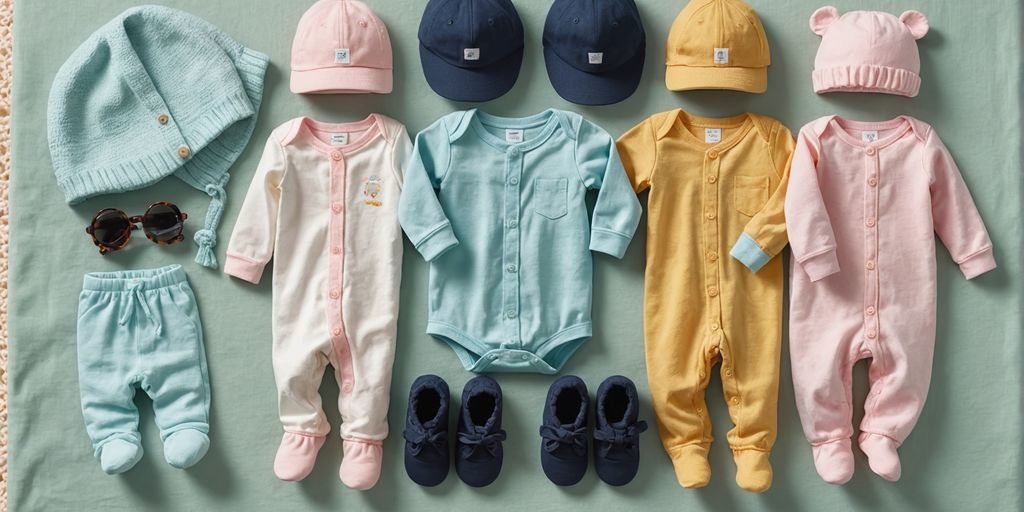
Summer Essentials
During the summer, keeping your baby cool and comfortable is key. Lightweight fabrics like cotton are perfect. Here are some must-haves:
- Short sleeve onesies
- Lightweight blankets
- Sun hats with wide brims
- Muslin or cotton sleep sacks and swaddles
Winter Must-Haves
Winter calls for layers to keep your baby warm. Essential items include:
- Long-sleeve onesies
- Fleece footie pajamas
- Warm jackets or snowsuits
- Cozy hats and mittens
Rainy Day Gear
For those wet days, make sure your baby stays dry with:
- Waterproof jackets
- Rain boots
- Umbrella stroller covers
Beach and Pool Outfits
If you’re heading to the beach or pool, don’t forget:
- Infant swimsuits and rash guards
- Swim diapers
- Sun hats
Babies under 6 months should avoid direct sun exposure, but they can still dress the part with the right gear.
Choosing the Right Sizes
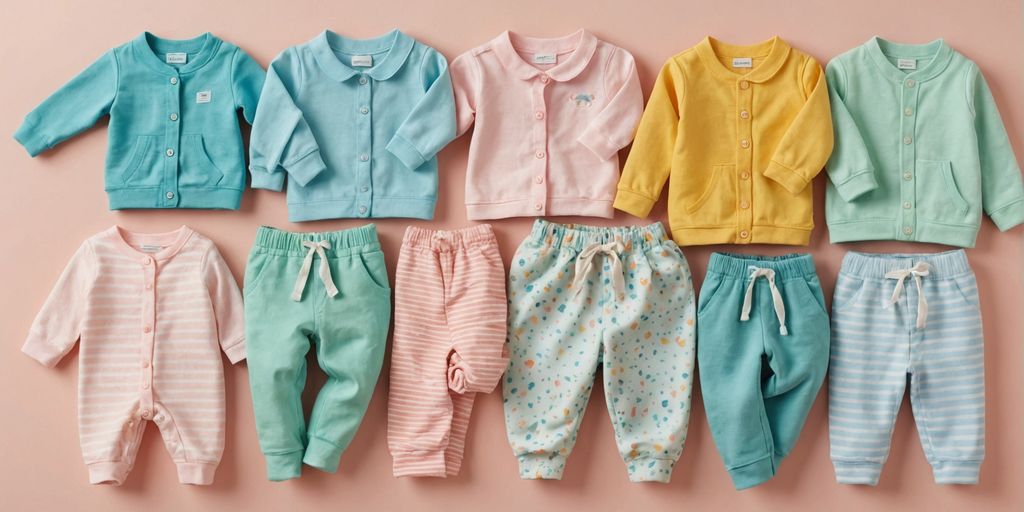
Understanding Baby Clothing Sizes
Baby clothes sizes can be confusing. This guide and baby clothes sizes chart can help shed light on what sizes to buy for baby and which brands run big or small. Generally, sizes are based on age, but every baby grows at their own pace. Here’s a quick look at common sizes:
| Size | Age Range | Weight Range |
|---|---|---|
| Newborn | 0-3 months | Up to 8 lbs |
| 0-3 months | 0-3 months | 8-12 lbs |
| 3-6 months | 3-6 months | 12-16 lbs |
| 6-9 months | 6-9 months | 16-20 lbs |
| 9-12 months | 9-12 months | 20-24 lbs |
When to Size Up
Babies grow quickly, so it’s smart to think ahead. If your baby is close to outgrowing their current size, it’s time to size up. Here are some tips:
- Think big: If your baby is nearing the top of the weight range for their current size, go for the next size up.
- Mix it up: Different brands have different fits. Some run roomy, while others are more snug. Having a variety of brands can help you find the best fit.
- Seasonal changes: Consider the upcoming season. If it’s getting colder, you might want to size up on outerwear.
Tips for Buying the Right Fit
Buying the right fit can be tricky, but these tips can help:
- Check the weight range: Always look at the weight range on the label, not just the age range.
- Read reviews: Other parents often share if a brand runs big or small.
- Stay organized: Keep clothes sorted by size so you know what fits now and what will fit later.
Babies grow fast, so having a mix of sizes on hand can save you from last-minute shopping trips. Stay prepared and enjoy dressing your little one!
Sustainable and Safe Baby Clothing
Importance of Quality Materials
When choosing baby clothes, it’s crucial to focus on quality materials. Organic baby clothes made from GOTS certified organic cotton are a great choice. They are soft on your baby’s skin and free from harmful chemicals. Brands like Burt’s Bees Baby® offer essentials like bodysuits, burp cloths, bibs, and rompers in newborn sizes.
Avoiding Choking Hazards
Safety is paramount when it comes to baby clothing. Always check for small parts like buttons or decorative items that could pose a choking hazard. Opt for clothes with secure fastenings and avoid items with loose threads or embellishments.
Eco-Friendly Brands
Supporting eco-friendly brands is a step towards a sustainable future. Look for companies that prioritize sustainability in their production processes. Renting baby clothes is also an excellent option to reduce waste. It allows you to enjoy shopping without the guilt, knowing you can return the items once your baby outgrows them.
Caring for Baby Clothes
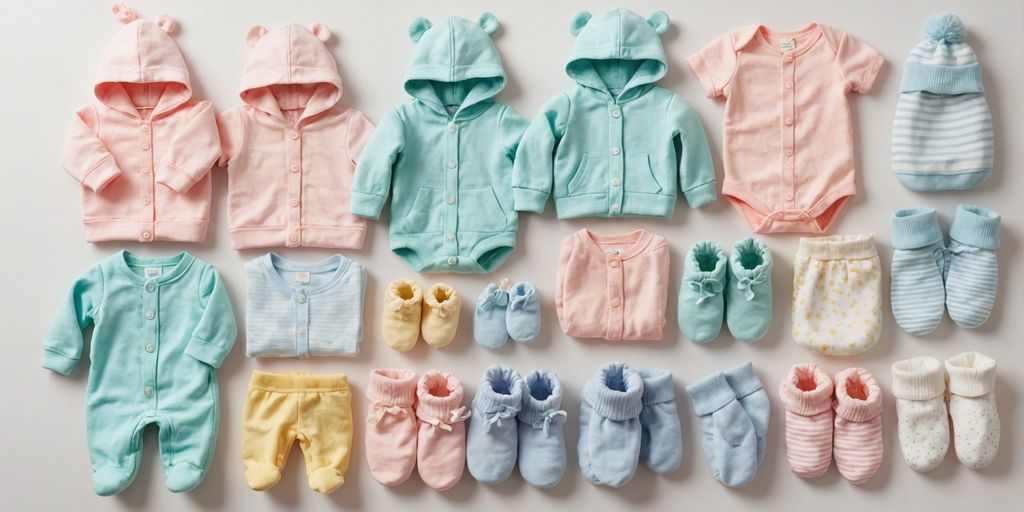
Washing and Drying Tips
When it comes to washing baby clothes, opt for a gentle detergent that is free of harsh chemicals and fragrances. This will help prevent any skin irritation on your baby’s delicate skin. Always pre-wash new clothing to remove any residues. Use a gentle cycle and cold water to prevent shrinkage and preserve fabric softness. Additionally, avoid using fabric softeners and opt for a double rinse cycle if your baby has extra sensitive skin. Air drying is preferred to maintain the quality of the clothes, but if using a dryer, choose a low-heat, delicate setting.
Stain Removal Techniques
Stains are inevitable with babies. The best way to get rid of stains is to:
- Pre-soak the clothes in cold water
- Pre-treat the stain
- Wash them on cold
- Don’t dry the clothing until the stain is gone, as the heat can make stains even more stubborn.
Storing Outgrown Clothes
Properly storing outgrown baby clothes can help preserve them for future use. Make sure the clothes are clean and completely dry before storing. Use airtight containers to keep them safe from dust and pests. Label the containers with the size and type of clothing for easy access later. Store them in a cool, dry place to prevent any damage.
Taking good care of your baby’s clothes not only keeps them looking nice but also ensures they are safe and comfortable for your little one.
Accessories and Extras
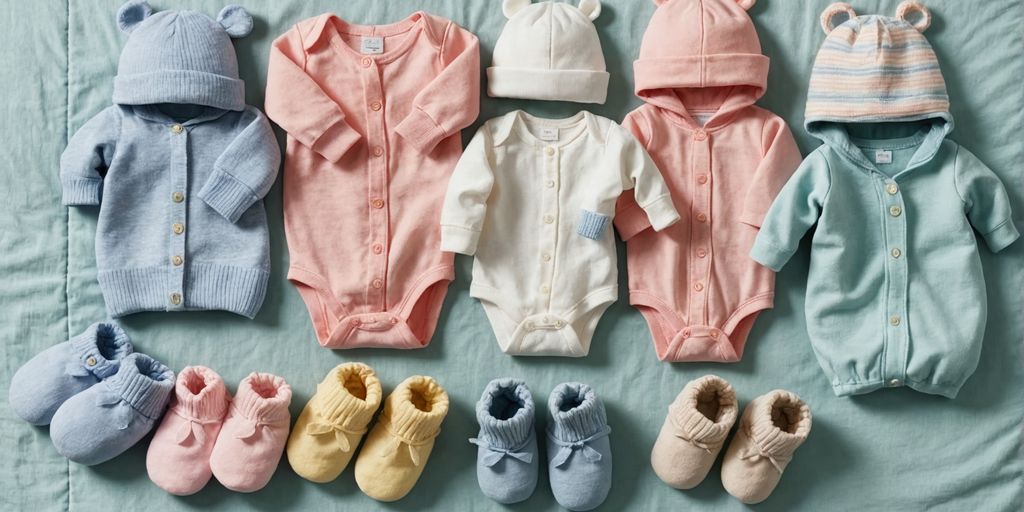
Hats and Beanies
Hats are essential for keeping your baby’s head warm and protected. Baby beanies are perfect for cooler weather, while sun hats are great for sunny days. Make sure to have a variety of hats to suit different seasons and occasions.
Socks and Booties
Socks and booties are necessary to keep your baby’s feet warm and cozy. Booties are especially useful for extra warmth and can be easier to keep on than socks. It’s a good idea to have several pairs on hand.
Bibs and Burp Cloths
Bibs and burp cloths are must-haves for feeding time and dealing with spit-ups. They help keep your baby’s clothes clean and dry. Having a good supply of these items can make daily clean-ups much easier.
Blankets and Swaddles
Blankets and swaddles are versatile accessories that can be used for warmth, comfort, and security. Swaddles are great for helping your baby sleep better by mimicking the snug feeling of the womb. Blankets can be used for tummy time, as a nursing cover, or for added warmth in the stroller.
When preparing your baby’s wardrobe, consider this list to ensure you have the right number of clothing items and accessories on hand.
Explore our wide range of accessories and extras to add that perfect touch to your child’s outfit. From stylish hats to cozy scarves, we have it all. Don’t miss out on our special offers!
Conclusion
Preparing for your baby’s first year can be a mix of excitement and a bit of stress, but having the right clothing essentials can make a big difference. Remember, it’s not about having a huge wardrobe but about choosing quality pieces that are comfortable and practical. From bodysuits to cozy sleepers, and from warm jackets to cute hats, each item plays a role in keeping your baby happy and comfy. As you shop, think about the changing seasons and how quickly babies grow. With a little planning, you’ll have everything you need to dress your baby for any occasion. Enjoy this special time and cherish every moment with your little one!
Frequently Asked Questions
How many baby clothes do I need in the first year?
The number of baby clothes you’ll need in the first year depends on how often you plan to do laundry. Generally, having 6-8 bodysuits, 4-6 sleepers, and a mix of tops and bottoms should cover your needs. Adjust based on your laundry routine and baby’s growth.
What should my baby wear for sleep?
For sleep, comfortable sleepers or footie pajamas are ideal. Look for ones with easy-access snaps or zippers to make nighttime diaper changes easier. Ensure they’re made of breathable materials to keep your baby cozy but not overheated.
How do I know when to size up my baby's clothes?
You’ll know it’s time to size up when your baby’s clothes start feeling snug, especially around the toes in footie pajamas or when tops and bottoms become tight. It’s a good idea to have the next size ready before the current size becomes too tight.
What should I look for in baby clothing materials?
Choose baby clothes made from soft, breathable, and gentle materials like cotton. Organic cotton is a great option as it’s free from harmful chemicals and gentle on your baby’s skin. Avoid clothes with rough seams or tags that might irritate your baby.
How can I make baby clothes last longer?
To make baby clothes last longer, follow proper washing and drying instructions. Use gentle detergents, wash in cold water, and avoid high heat drying. Storing outgrown clothes properly can also keep them in good condition for future use.
Are there eco-friendly baby clothing brands?
Yes, many brands offer eco-friendly baby clothing made from organic and sustainable materials. Look for certifications like GOTS (Global Organic Textile Standard) to ensure the clothes are truly eco-friendly. These brands often focus on reducing their environmental footprint while providing safe and gentle clothing for babies.